
Linet Wambui.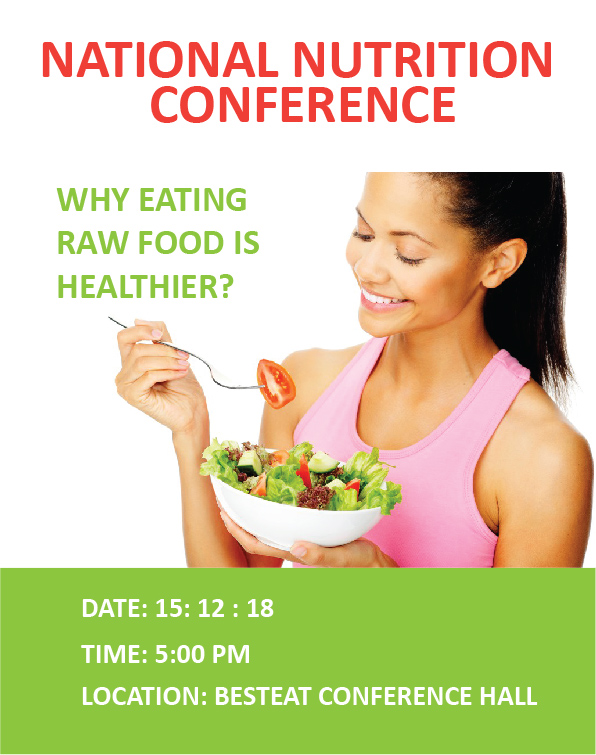
What is a raw-food diet? Raw foods are foods that have not been cooked or processed. There are varying levels of raw-food diets, all of them involve eating mostly unheated, uncooked and unprocessed foods. A raw-food diet is made up of at least 70% raw foods. The diet often includes fermented foods, sprouted grains, nuts and seeds, in addition to raw fruits and vegetables.
Here are some reasons why most dieters prefer raw food to cooked food. Cooking foods deactivates the enzymes found in them. However, there is no evidence that food enzymes contribute to better health, some nutrients, and particularly water-soluble vitamins, are lost during the cooking process. Raw fruits and vegetables may contain more nutrients like vitamin C and B vitamins, cooked foods are easier to chew and digest than raw foods. Proper digestion is necessary to absorb a food’s nutrients.
Many people also choose to go on a raw food diet to flush out toxins and avoid potential carcinogens. By consuming raw food, you may reduce your risk of heart disease, obesity, and diabetes. Doctors recommend a raw food diet if you can but for safety concerns, it is best to avoid doing so.
There are certain health benefits to eating raw foods. These are:
- Helps detoxify the body.
- Can aid weight loss.
- May improve digestion.
- May reduce the risk of heart disease, obesity, and diabetes.
- May help reduce your risk of cancer.
- Can provide relief from constipation.
- May improve liver function.
- May increase your energy levels.
In as much as eating raw foods is healthy, there are certain disadvantages associated with it. A practical example would be those who eat raw fish as it contains dangerous bacteria and microorganisms that are only eliminated by cooking. Eating a completely raw diet that includes fish and meat comes with a risk of developing a food-borne illness.
From the list above, there are numerous benefits to having a raw diet plan and you should take it up.
 Health coach